
You should repair your old fence if the damage is limited and structural integrity remains sound. Replace your fence when multiple sections fail, maintenance becomes frequent, or the fence’s lifespan has expired. In short, repair if it can be saved economically; replace when it’s no longer practical or safe.
Below, we list the key considerations that can help you decide confidently whether to repair or replace your fence:
1. Assess the Damage and Structural Integrity
Before deciding, evaluate how far the damage has progressed.
- Localized vs widespread damage: If only a few boards, posts, or panels are failing, repair may suffice. When more than 25–30 percent of the fence is compromised (rot, rust, sagging), replacement may be more cost-effective.
- Post stability: Posts are the foundation. If many posts are leaning, loose, or rotted underground, repairs may be temporary.
- Material condition: Wood that has deep rot, metal with substantial rust through, or vinyl that has warped or cracked extensively may not respond well to patching.
2. Factor in Age, Materials, and Lifespan
Knowing how old the fence is and what it’s made of matters.
- Wood fences generally last about 15-20 years if treated and maintained properly.
- Vinyl fences often require much less upkeep, resist pests, rot, and moisture better than wood.
- Composite, aluminum, steel or treated woods have different lifespans and cost profiles.
To compare materials more deeply, especially for style, cost, and maintenance, see the article on Cedar vs Vinyl Fence.
3. Cost vs Benefit of DIY vs Professional
Who does the work matters both for cost and quality.
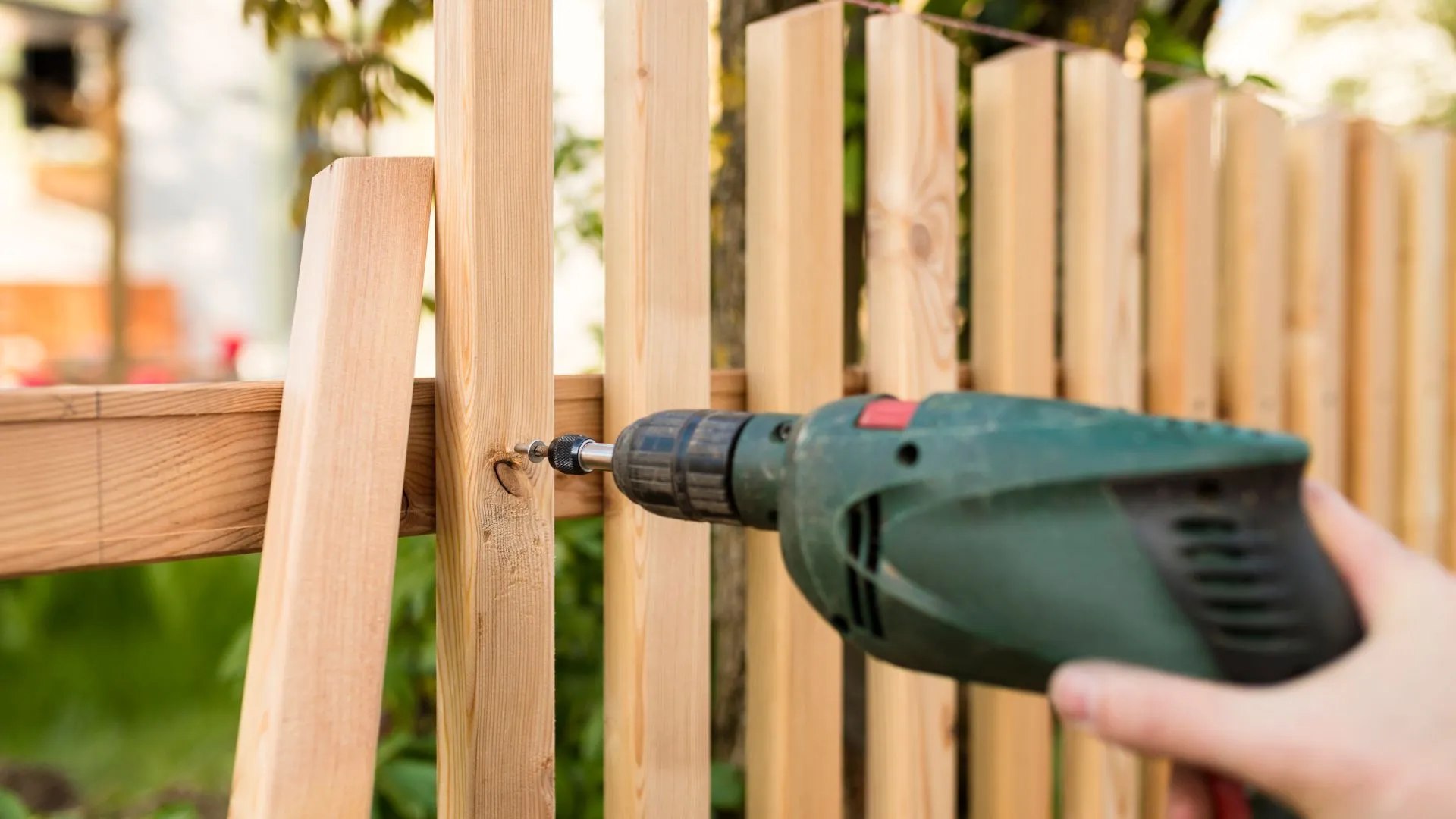
- DIY repairs or installation can save labor costs but risk mistakes that shorten the life of the fence or violate local codes.
- For complex repairs, large sections, or commercial fencing, hiring professionals ensures correct installation, especially of posts, hardware, and treatments.
- To understand when DIY makes sense and when you should call experts, see DIY Fencing Pros and Cons and details on DIY Fences.
4. Long-Term Maintenance and Operational Costs
Sometimes the ongoing cost of maintaining an old fence outweighs upfront savings.
Repair frequency
If you’re repairing every season, the cumulative cost may approach (or exceed) replacement.
Material treatments
If you decide to replace, consider options that fit your property type and maintenance goals.
Wood
Natural look, versatile styles, requires regular care.
Vinyl
Low maintenance, long lasting, resists rot and pests.
Aluminum or steel
Strong, secure, ideal for commercial or high security needs.
Aesthetic and property value
A new, attractive fence adds curb appeal and may increase resale or rental value, especially for commercial properties or high-traffic residences.
5. Environmental and Safety Considerations
Don’t overlook safety and sustainability.
- Untreated wood rot or broken boards can pose safety hazards, especially for children or pets.
- Materials like treated wood, recycled composites, or vinyl all have environmental impacts and disposal considerations.
- Local codes or insurance may require certain standards (height, materials, strength), especially in commercial settings.