
Choosing the right pool fence is about blending safety, design, and durability into one seamless outdoor feature. The best pool fences meet safety codes, enhance your backyard’s style, complement your landscaping, and add lasting value to your home. Whether you’re in Rhode Island, Massachusetts, or Connecticut, finding the right material and look for your pool area starts with knowing your options and what works best for our New England climate.
1. Match Your Fence Material to Your Home’s Aesthetic
The material you choose has the biggest influence on how your pool area looks and feels. It’s where practicality meets personality.
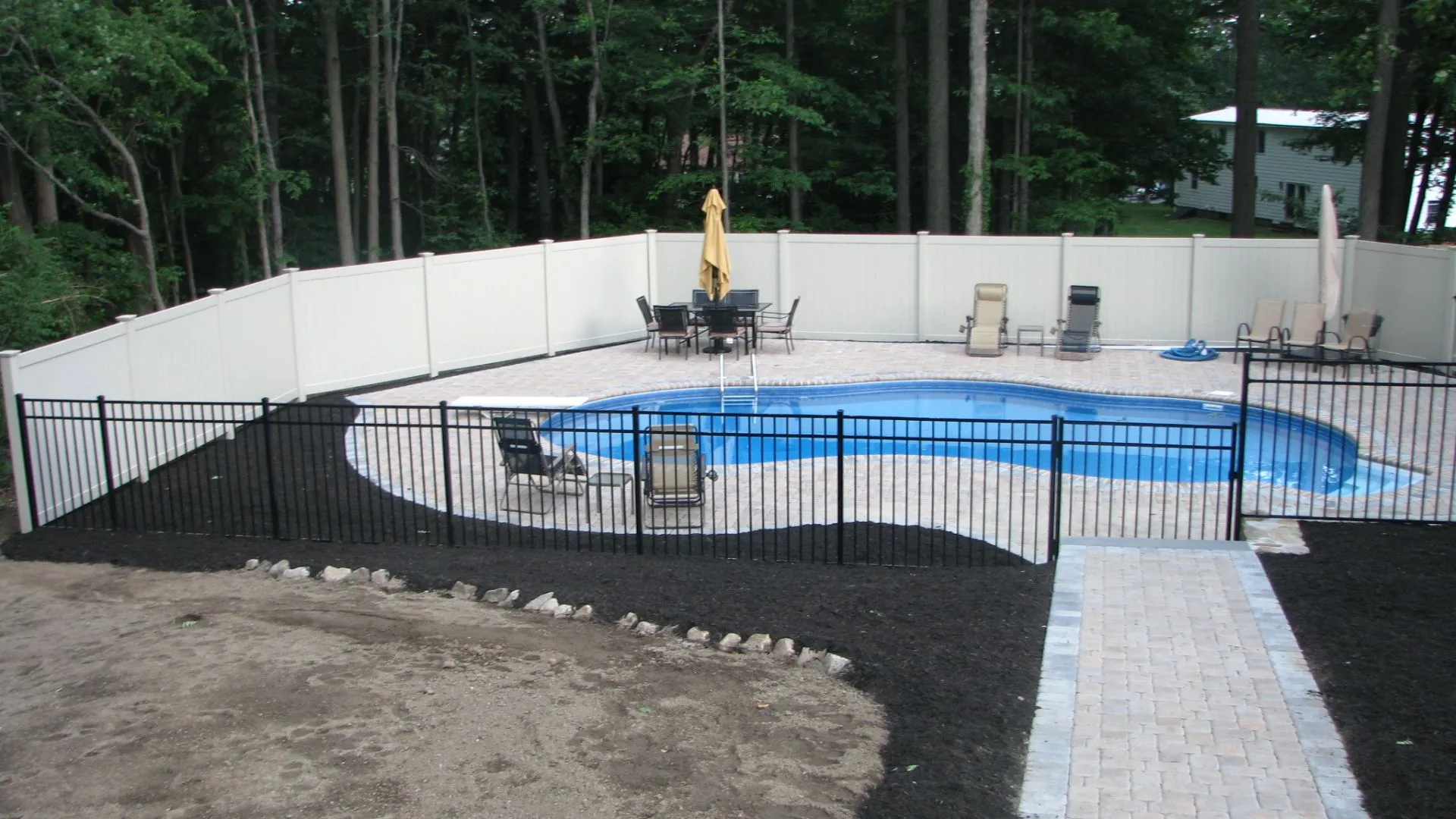
- Aluminum Fences: Sleek, modern, and elegant. They offer a clean-lined look that pairs beautifully with coastal homes and contemporary designs. Aluminum is also rust-resistant, perfect for humid summers in Rhode Island or Massachusetts.
- Vinyl Fences: One of the most popular choices for pool enclosures in southern New England. Vinyl fences are low-maintenance, durable, and available in styles that mimic wood or modern panels. They never need painting and resist fading even under strong sunlight.
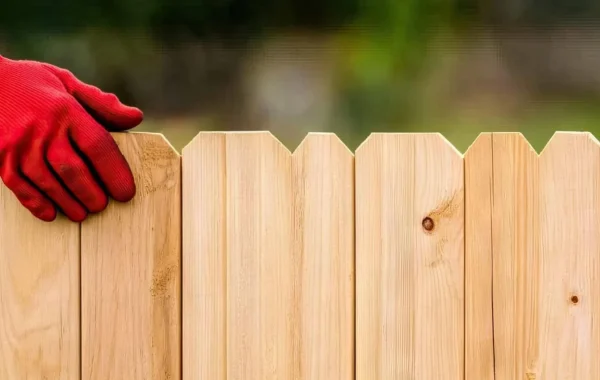
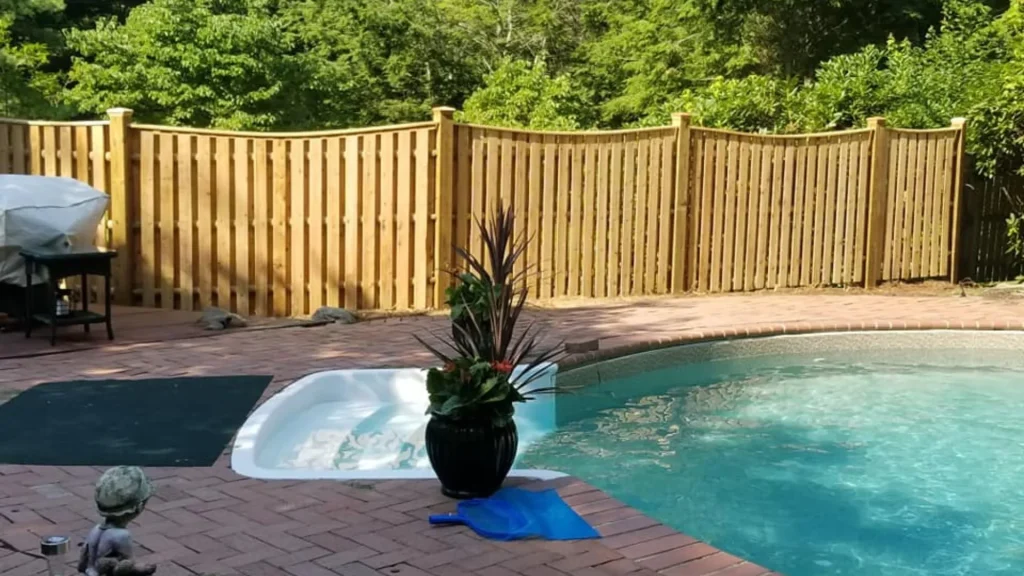
- Wood Fences: The timeless option for homeowners who want warmth and texture. Wood blends perfectly with natural landscapes or traditional homes, though it requires occasional staining or sealing to protect against moisture.
- Glass or Mesh Fences: Ideal if you want to preserve your view of the pool or garden. Glass offers a luxury feel and works great for coastal homes in Newport or Cape Cod. Mesh fences are lightweight, removable, and a solid choice for families who prioritize flexibility and safety.
2. Design for Space and Landscape Harmony
Your pool fence shouldn’t feel like an afterthought; it should flow naturally with your backyard’s layout and landscape.
- In smaller city lots, like those in Providence or Worcester, consider open designs such as aluminum or tempered glass. These create a sense of space and keep sightlines clear.
- For larger suburban or rural properties, like those in Glastonbury or Dartmouth, decorative vinyl or wood fencing can define spaces beautifully and provide added privacy.
- Use your fence line to frame your pool instead of boxing it in. Curved layouts or strategically placed gates can make the space feel more inviting.
Adding subtle LED lighting or landscape features along your fence can also elevate the ambiance, extending your outdoor enjoyment into the evening.
3. Balance Style with Maintenance and Durability
Homeowners often focus on looks but underestimate the value of easy upkeep. Different materials age differently in our New England weather, from salty coastal air to snowy winters.
- Vinyl stands out for being nearly maintenance-free. Just rinse it occasionally to keep it bright and clean.
- Aluminum offers excellent longevity with minimal upkeep and won’t rust or peel even near the ocean.
- Wood, while beautiful, needs regular sealing to prevent moisture damage and warping. For the right home style, though, the charm is worth the extra care.
If you prefer to “install it and forget it,” vinyl or aluminum will give you long-term satisfaction with minimal effort.
4. Work with Local Fence Experts
When it comes to pool fencing, local expertise makes all the difference. A professional fence installer familiar with Rhode Island, Massachusetts, and Connecticut understands how to navigate zoning laws, uneven terrain, and seasonal factors that affect installation.
Local pros can also help you:
- Recommend materials that withstand local conditions (like coastal salt air or inland freeze-thaw cycles).
- Ensure your fence complies with neighborhood guidelines.
- Provide honest advice about what designs work best for your specific space.
5. Don’t Forget Safety and Local Pool Fence Codes
A beautiful pool fence must also be safe and compliant with all regional regulations. Pool safety laws vary slightly across Rhode Island, Massachusetts, and Connecticut, so it’s crucial to understand your local requirements before installation.
Here’s a general guide:
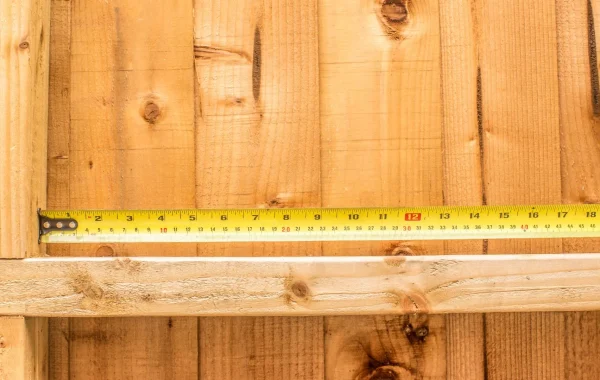
- Height Requirements: Most states mandate a minimum height of 4 feet for pool fences, though some towns may require 5 feet.
- Gates and Latches: All gates should be self-closing and self-latching with locks positioned out of children’s reach.
- Spacing: Fence pickets or rails must be close enough together that a small child can’t squeeze through.
- Permits: Many towns, from Warwick to Springfield to New Haven, require permits for installation.
Because pool codes can change, always check with your local building department or work with a licensed fence contractor who understands your area’s safety standards. This ensures your pool area is secure, up to code, and ready for summer fun.
Bring Your Backyard Vision to Life
The right pool fence combines safety, function, and style into a lasting feature that improves your entire outdoor space. Whether you want a modern aluminum look, a cozy wood aesthetic, or a crisp vinyl finish, the key is choosing a design that fits your lifestyle and your landscape.
Ready to Upgrade Your Pool Area?
At North Smithfield Fence, we help homeowners across Rhode Island, Massachusetts, and Connecticut design and install pool fences that are as stylish as they are safe. Contact us today to schedule your free estimate or explore our full range of pool fencing options and let’s build a backyard you’ll love all year long.