
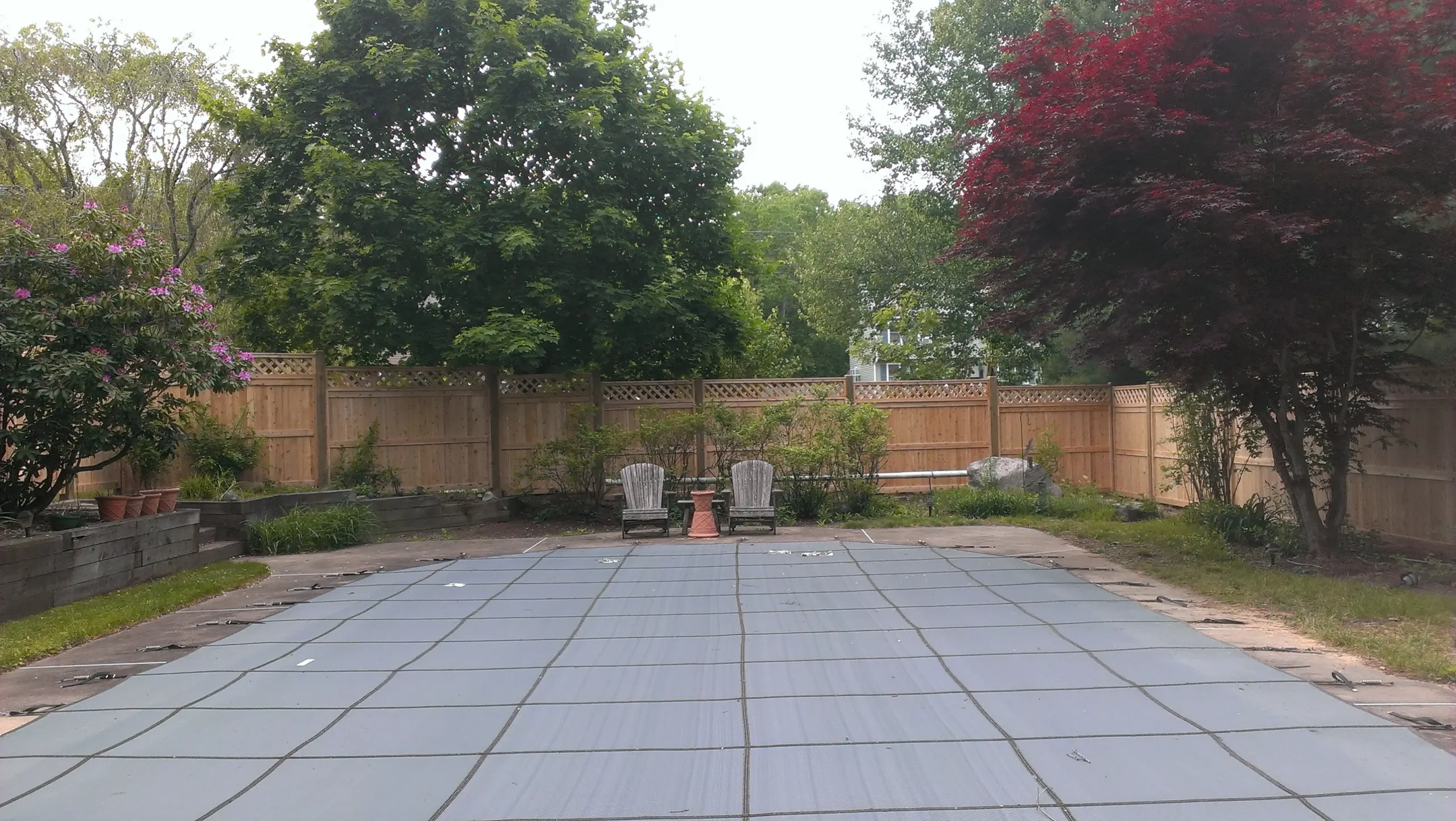

The 8 Things You Should Know Before Installing a New Fence are:
- Know the Purpose of Your Fence
- Understand Local Codes and Rules
- Check (and Confirm) Property Lines and Boundaries
- Know and Choose the Right Fence Material
- Consider Fence Height and Design
- Plan for Gates and Access Points
- Your Budget
- Factor in Installation Conditions and Terrain
Installing a new fence is a long term investment that affects security, privacy, property value, and appearance. Before choosing materials or scheduling installation, it is important to understand the key factors that influence cost, durability, and compliance. Below are eight essential things you should know before installing a new fence to ensure the project meets your needs and avoids future issues.
1. Know the Purpose of Your Fence
The first step is to define: why you need a fence? Residential and commercial properties often have different priorities. Common purposes include privacy, security, pet safety, noise reduction, or decorative enhancement.
A privacy fence requires solid panels and sufficient height. A security fence may need reinforced materials, locking gates, or anti-climb designs. Decorative fencing focuses on aesthetics but may not provide full enclosure. Identifying the primary purpose helps determine the right fence material, height, and layout from the start.
2. Understand Local Codes and Rules
Fence installation is subject to local building codes, zoning regulations, and sometimes homeowners’ association rules. These rules often limit fence height, placement, materials, and visibility from the street.
Commercial properties may face additional requirements related to safety, visibility, or perimeter security. Permits may be required before installation begins. Ignoring regulations can result in fines, forced removal, or project delays. Always verify requirements with your municipality before moving forward.
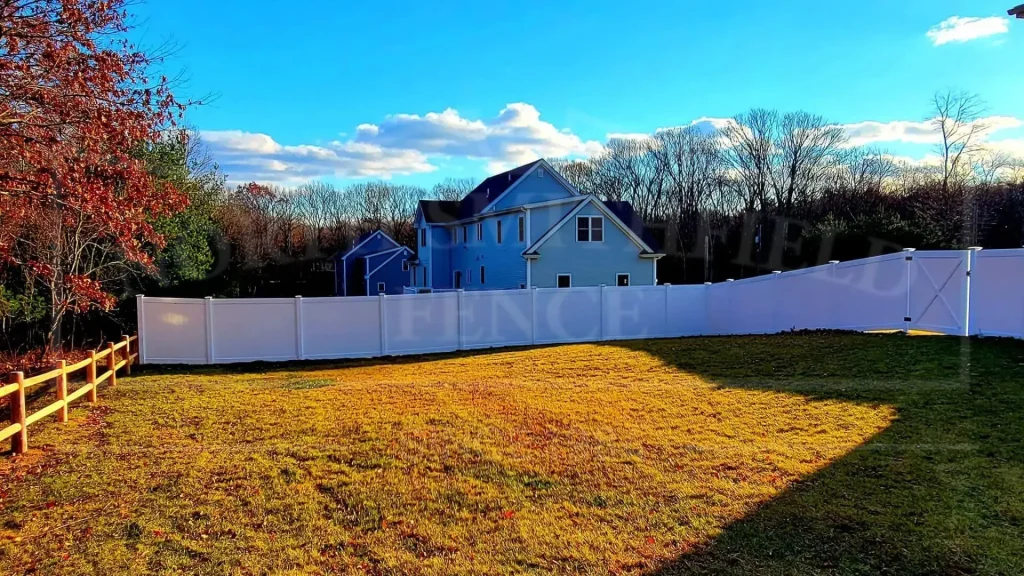
3. Check (and Confirm) Property Lines and Boundaries
Installing a fence on or beyond a property line can lead to disputes and legal issues. Before installation, confirm your exact property boundaries through a survey or official property records.
This step is especially important for shared boundaries with neighbors or adjacent commercial properties. Proper placement protects you from future conflicts and ensures your fence remains compliant and secure.
4. Know and Choose the Right Fence Material
Fence material affects durability, maintenance, appearance, and cost. Common options include cedar, vinyl, aluminum, steel, chain link, and composite materials.
Cedar fences require regular maintenance but offer a natural appearance. Vinyl is low-maintenance and resistant to weather. Aluminum and steel provide strength and security with minimal upkeep. Chain link is cost-effective and commonly used for commercial properties.
Selecting the right material depends on usage, climate; for instance, a New England Home would need a fence that withstands humidity. And then you will need to think about the budget and how your ideal type of fence aligns with long-term expectations.
5. Consider Fence Height and Design
Fence height plays a major role in function and compliance. Privacy and security fences often require greater height, while decorative fences may be lower. Local regulations usually specify maximum allowable height for front yards and backyards.
Design elements such as panel spacing, gate placement, and post style should align with the property layout and intended use. Commercial installations may need wider gates for vehicle access or reinforced posts for added security.
6. Plan for Gates and Access Points
Gates are often overlooked but are critical to functionality. Residential properties may need pedestrian gates, driveway gates, or pet access points. Commercial properties often require access control features such as keypad entry, automatic gates, or reinforced hardware.
Gate placement should support daily traffic flow without compromising security. Hardware quality matters because gates experience frequent use and stress.
7. Know Your Budget
As with any home-improvement project, your budget plays a key role in deciding whether to do it or not. In this case, we’ll discuss the difference between DIY and professional fence installation. Each option involves different types of costs that should be evaluated before making a decision.
DIY fence installation generally has a lower upfront cost because labor is not included. Expenses are primarily diy materials, hardware, permits, tool purchases or rentals, and waste from cutting or installation errors. Budget planning for DIY should also account for the value of time spent on layout, digging, setting posts, and correcting mistakes. For larger properties or uneven terrain, costs can increase due to additional materials and equipment needs.
Professional fence installation includes labor costs but offers more predictable pricing. Estimates are typically based on material selection, fence length, site conditions, and access requirements. While the initial cost is higher, pricing usually reflects a complete scope of work, reducing the likelihood of unplanned expenses during installation. This can be important for commercial properties or projects with strict timelines.
When comparing the two options, the key budget difference is how costs are distributed. DIY installation shifts cost savings toward labor but increases variability in total expenses. Professional installation consolidates labor and expertise into a fixed estimate, offering clearer cost expectations. Evaluating both approaches in terms of total cost, time investment, and project complexity helps determine which option aligns best with your budget.
8. Factor in Installation Conditions and Terrain
Soil type, slope, drainage, and underground utilities affect installation complexity and cost. Sloped terrain may require stepped or racked fencing. Rocky soil or tree roots can increase labor time.
Commercial sites may require coordination with utility providers or adherence to safety standards during installation. A professional assessment ensures the fence is installed correctly and remains stable over time.
Whether you are a homeowner seeking privacy or a commercial client focused on security, working with a trusted fence company makes the process efficient and reliable.
Explore our professional fence installation services to find the right solution for your property. Contact our team today to schedule a consultation and get expert guidance on your next fence project.

